
When temperatures drop sharply, your home’s plumbing system faces one of its biggest seasonal risks. Frozen water lines are more than an inconvenience—they can lead to costly repairs, water damage, and long-term structural issues. Many homeowners only realise the danger once a pipe bursts. The good news is that with the right preparation and awareness, you can safeguard your water lines effectively and avoid winter emergencies.
Why Winter Poses a Serious Threat to Water Lines
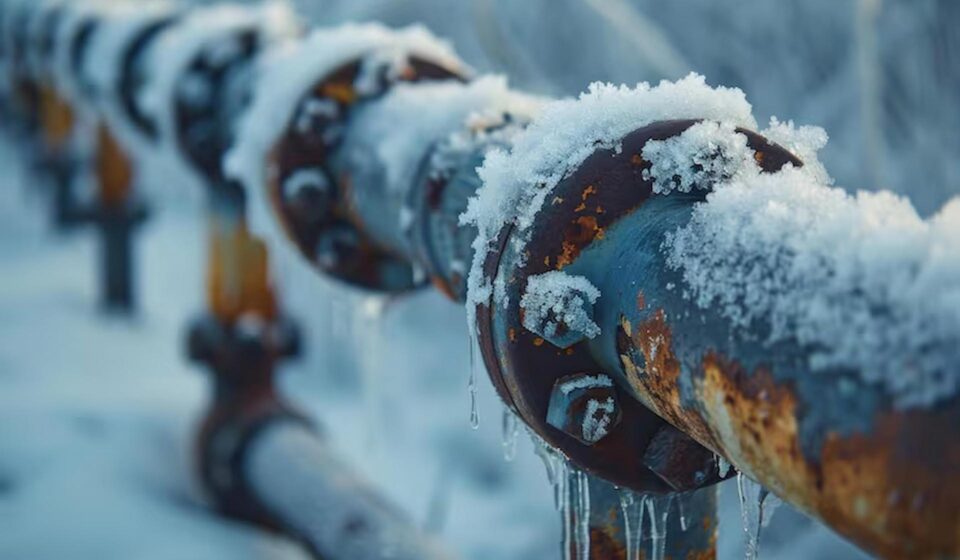
Cold weather causes water inside pipes to freeze and expand. This expansion creates pressure within the pipe walls, which can eventually lead to cracks or bursts. Even a small fracture can release gallons of water within minutes once the ice melts.
Homes in regions that experience sudden temperature drops are particularly vulnerable. Pipes located in unheated areas such as basements, attics, garages, and exterior walls face the highest risk. Without proper insulation or preventive measures, the likelihood of damage increases significantly.
Understanding How Pipes Freeze
To effectively prevent damage, it helps to understand how freezing occurs. Pipes do not always freeze simply because temperatures fall below zero. The risk increases when cold air surrounds unprotected pipes for extended periods. Wind chill, poor insulation, and lack of heat circulation can accelerate the freezing process.
Water freezes first in exposed sections of the pipe. As ice forms, it blocks the flow of water. Pressure builds up between the blockage and the faucet. Eventually, this pressure causes the pipe to rupture, often at a weak point.
This is why taking steps to prevent frozen pipes in the winter is essential for maintaining a safe and functional home.
Insulating Pipes for Maximum Protection
One of the most effective ways to protect your plumbing is by insulating vulnerable pipes. Insulation helps maintain a stable temperature and reduces exposure to freezing air.
Foam pipe insulation is widely used because it is affordable and easy to install. Fibreglass wraps and heat tape also offer reliable protection, especially in extremely cold climates. Pay special attention to pipes in crawl spaces, attics, and along exterior walls.
Proper insulation not only prevents freezing but also improves energy efficiency by reducing heat loss.
Keeping a Consistent Indoor Temperature
Maintaining a steady indoor temperature is crucial during winter. Even if you are away from home, avoid turning off the heating system completely. A consistent temperature ensures that warm air continues to circulate around your pipes.
It is advisable to keep your thermostat set to at least 12–15°C. While this may seem minimal, it is enough to prevent water inside pipes from freezing. Consistency matters more than high heat. Sudden temperature drops inside the home can create conditions where pipes freeze quickly.
Allowing Water to Flow During Extreme Cold
During particularly cold nights, allowing a small trickle of water to flow from your taps can reduce pressure inside the pipes. Moving water is less likely to freeze compared to stagnant water.
This method is especially useful for pipes located along exterior walls. Even a slow drip can make a significant difference in preventing freezing conditions.
Sealing Gaps and Blocking Cold Air
Cold air entering your home through cracks and gaps can directly impact your plumbing system. Areas around windows, doors, and pipe entry points should be sealed properly.
Use caulking or weather stripping to close any openings. Pay close attention to spaces where pipes pass through walls or floors. Blocking cold air helps maintain a warmer environment around the pipes and reduces freezing risk.
Protecting Outdoor Plumbing Fixtures
Outdoor taps and hoses are often overlooked but are among the first to freeze. Disconnect garden hoses before winter begins and drain any remaining water.
Install insulated faucet covers to protect exterior taps from freezing temperatures. If your home has an irrigation system, ensure it is properly drained and shut off before winter sets in.
Taking these steps prevents ice from forming in outdoor pipes and spreading into indoor plumbing lines.
Preparing Your Home Before a Cold Wave
Advance preparation is key to avoiding plumbing issues. When a cold wave is forecast, take proactive measures. Open cabinet doors under sinks to allow warm air to circulate around pipes. This simple step can significantly reduce freezing risk.
Additionally, ensure your heating system is functioning efficiently. A sudden breakdown during extreme weather can leave your home vulnerable within hours.
What to Do If Pipes Start Freezing
Despite precautions, pipes may still begin to freeze in severe conditions. Early signs include reduced water flow or unusual noises from taps.
If you suspect a frozen pipe, act quickly. Turn on the affected faucet and apply gentle heat using a hairdryer or heating pad. Never use an open flame, as it can damage the pipe and create a fire hazard.
Gradual thawing helps relieve pressure and reduces the risk of bursting. If the situation seems severe, contacting a professional plumber is the safest option.
Final Thoughts
Winter can be harsh, but your plumbing system does not have to suffer because of it. Understanding how freezing occurs and taking simple preventive steps can make a significant difference. From insulation and temperature control to sealing gaps and maintaining water flow, each measure plays a vital role in protecting your home.
Taking action early is the key. By prioritising these strategies, you not only prevent frozen pipes in the winter but also extend the life of your plumbing system. A little preparation today can save you from major disruptions tomorrow.