
Heating and cooling systems work hard throughout the year to keep homes comfortable, but even well-maintained HVAC systems can develop problems over time. Strange noises, weak airflow, rising energy bills, or uneven temperatures are often early warning signs that something is not working properly. The good news is that many common HVAC issues can be identified early, before they lead to expensive repairs or complete system failures.
This HVAC troubleshooting guide explains the most common heating and cooling problems homeowners face, their causes, and when it makes sense to call a professional technician. Understanding these warning signs can help improve comfort, reduce energy costs, and extend the lifespan of your HVAC equipment.
1. Uneven Temperatures Throughout the Home
One of the most common HVAC complaints is inconsistent indoor temperatures. Some rooms may feel too warm while others remain noticeably colder. This issue often points to airflow problems, blocked vents, dirty filters, leaking ductwork, or thermostat placement issues.
A thermostat installed near direct sunlight or heat-producing appliances may give inaccurate readings, causing the system to cycle incorrectly. In other cases, aging duct systems may lose conditioned air before it reaches certain rooms.
Start troubleshooting by checking whether vents are fully open and unobstructed by furniture or curtains. Replace dirty air filters and inspect visible duct connections for leaks. If temperature imbalances persist, a professional duct inspection or airflow balancing may be necessary to restore proper circulation throughout the home.
2. Poor Airflow from Vents
Weak airflow can make an HVAC system feel ineffective even when it is running continuously. This problem is commonly caused by clogged air filters, blocked ducts, failing blower motors, or dirty evaporator coils.
When airflow becomes restricted, the system works harder to maintain temperatures, increasing energy usage and placing unnecessary strain on components. Over time, this can shorten the lifespan of the equipment.
Homeowners should first inspect and replace air filters if they appear dusty or clogged. Vents should also remain free from rugs, furniture, or debris that can restrict circulation. If airflow still feels weak after basic maintenance, the problem may involve internal mechanical components that require professional servicing.
3. Unusual Noises Coming from the HVAC System
HVAC systems typically produce low levels of operational noise, but loud or unusual noises often signal underlying problems. Different sounds can point to different issues:
- Banging may indicate loose or broken internal parts.
- Squealing often relates to worn belts or motor bearings.
- Rattling can suggest loose panels or debris inside the unit.
- Buzzing may indicate electrical issues or failing components.
Ignoring unusual noises can allow small problems to become serious repairs. A loose part today could lead to major compressor damage later if left untreated.
If noise persists after checking for loose panels or debris around the unit, a professional diagnosis is recommended to prevent further system damage and ensure safe operation.
4. Thermostat Malfunctions and Incorrect Readings
A malfunctioning thermostat can create heating and cooling problems even when the HVAC equipment itself is functioning properly. Incorrect readings may cause the system to run too often, fail to turn on, or maintain uncomfortable temperatures.
Older thermostats may lose calibration over time, while smart thermostats can sometimes experience connectivity or programming issues. Dead batteries, loose wiring, or incorrect settings can also interfere with performance.
Before assuming the HVAC unit has failed, homeowners should check thermostat batteries, verify temperature settings, and confirm that the system mode is correctly selected. Rebooting programmable or smart thermostats may also solve temporary glitches. If temperature inconsistencies continue, upgrading to a newer thermostat may improve both comfort and energy efficiency.
5. HVAC System Constantly Running
An HVAC system that runs continuously without reaching the desired temperature often indicates efficiency problems. Dirty filters, refrigerant leaks, poor insulation, blocked condenser coils, or undersized equipment can all contribute to this issue.
During extreme weather, systems naturally run longer, but constant operation, combined with poor heating or cooling performance, suggests a deeper problem. Continuous operation increases energy bills and accelerates wear on system components.
Start by replacing the air filter and checking whether outdoor units are blocked by dirt, leaves, or vegetation. Indoor insulation and window sealing should also be inspected to reduce heat gain or heat loss. If the issue persists, a technician may need to inspect refrigerant levels or evaluate system sizing.
6. Unexpectedly High Energy Bills
A sudden increase in heating or cooling costs is often one of the earliest indicators of HVAC inefficiency. Systems that struggle to maintain temperatures consume more energy while delivering reduced performance.
Common causes include dirty components, leaking ductwork, aging equipment, thermostat issues, or neglected maintenance. Even small problems, such as clogged filters, can reduce efficiency significantly over time.
Homeowners can lower energy consumption by scheduling seasonal maintenance, sealing air leaks around doors and windows, and using programmable thermostats effectively. Regular servicing helps identify efficiency issues early and keeps the system operating closer to peak performance.
7. Strange Smells from Air Vents
Unusual odors coming from HVAC vents should never be ignored. Different smells often point to different concerns:
- Musty smells may indicate mould or moisture buildup.
- Burning odours can suggest overheating electrical components.
- Rotten smells may signal pest or drainage issues.
- Chemical smells could indicate refrigerant leaks.
In many cases, replacing filters and cleaning vents may reduce mild odors. However, persistent smells often require professional inspection because electrical or mold-related problems can affect both safety and indoor air quality.
Maintaining proper humidity control and scheduling regular duct cleaning can also help reduce recurring odor issues inside the home.
8. Short Cycling: System Turns On and Off Frequently
Short cycling occurs when an HVAC system repeatedly starts and stops without completing a full heating or cooling cycle. This problem wastes energy, increases component wear, and reduces indoor comfort.
Several issues can trigger short cycling, including oversized equipment, improper thermostat placement, overheating components, refrigerant issues, or clogged filters that restrict airflow.
Replacing dirty filters and checking thermostat placement are good starting points. However, repeated short cycling often requires professional diagnosis because electrical or refrigerant problems can quickly damage major system components if left unresolved.
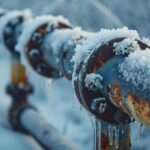
9. Frozen Evaporator Coils
Frozen coils are a surprisingly common air-conditioning issue during the warmer months. Ice buildup on indoor coils usually results from restricted airflow or low refrigerant levels.
Dirty filters, blocked vents, and blower problems can reduce airflow enough to cause condensation on coils to freeze. When coils freeze, cooling performance drops sharply, and the system may stop functioning entirely.
If ice appears on the system, turn the HVAC unit off to allow the coils to thaw completely. Replace filters and ensure vents remain open throughout the home. If freezing continues after airflow issues are addressed, a professional should inspect refrigerant levels and internal components.
10. When to Call a Professional HVAC Technician
While homeowners can handle basic troubleshooting tasks, some HVAC issues require professional expertise for safety and long-term reliability. Electrical problems, refrigerant leaks, compressor failures, gas furnace concerns, and repeated system shutdowns should always be inspected by certified technicians.
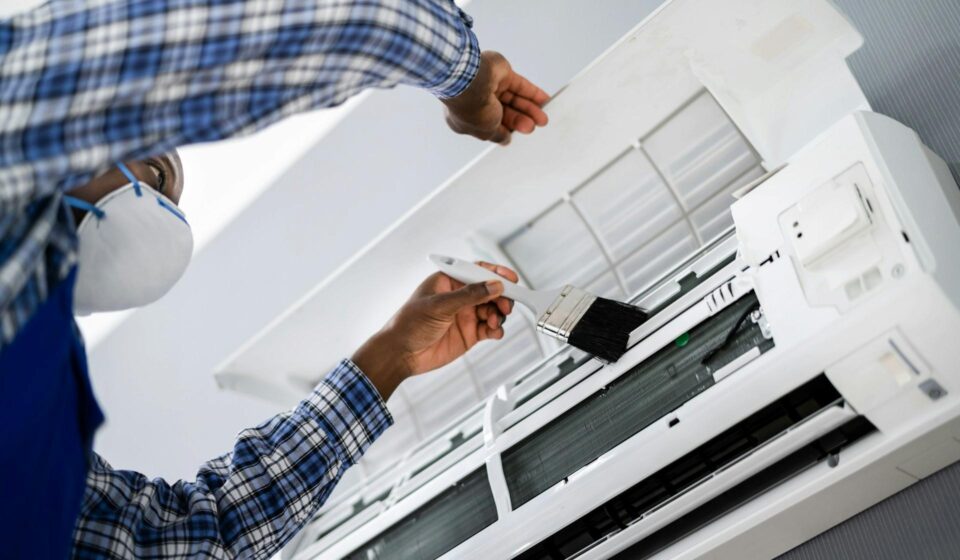
Professional maintenance also helps identify hidden wear before it becomes costly. Seasonal inspections typically include cleaning components, testing airflow, checking refrigerant levels, inspecting electrical connections, and ensuring safe operation.
Routine maintenance not only improves efficiency but also helps extend equipment lifespan and reduce the risk of emergency breakdowns during extreme weather conditions.
Conclusion
HVAC problems rarely appear without warning. Weak airflow, strange noises, rising energy bills, and uneven temperatures often signal issues that can be addressed early with proper attention and maintenance. Understanding common heating and cooling problems allows homeowners to respond quickly, avoid unnecessary stress, and reduce long-term repair costs.
Simple tasks such as changing filters, keeping vents clear, and scheduling regular inspections can make a significant difference in system performance and indoor comfort. When problems go beyond basic troubleshooting, professional HVAC service helps ensure safe, efficient, and reliable operation throughout every season.