
Interior design is more than arranging furniture—it is about shaping how a space feels, functions, and reflects personality. Whether you live in a compact apartment or a spacious home, thoughtful design choices can transform everyday living into a more enjoyable experience. The good news is that you do not need a complete overhaul to create impact. Small, strategic updates can make a noticeable difference.
Below are practical, stylish, and expert-backed interior design ideas that help you create a space that feels both beautiful and functional.
Embrace a Neutral Foundation for Flexibility
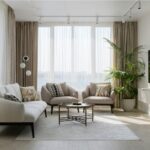
A neutral base offers timeless appeal and unmatched versatility. Shades like beige, ivory, soft grey, and warm white create a calming backdrop that allows other design elements to shine. This approach works especially well in living rooms and bedrooms, where comfort and visual balance are key.
With a neutral palette, you can easily update your space with seasonal accents such as cushions, throws, or artwork. It also makes rooms appear larger and brighter by reflecting natural light. Designers often rely on this strategy because it provides a clean canvas that evolves with your style preferences over time.
Use Lighting as a Design Feature
Lighting is often overlooked, yet it has a powerful influence on mood and functionality. Layering different types of lighting—ambient, task, and accent—creates depth and dimension in a room.
For instance, ceiling lights provide general illumination, while table lamps add warmth and focus. Accent lighting, such as wall sconces or LED strips, highlights architectural features or artwork. Choosing statement light fixtures can also double as decorative pieces, adding personality without cluttering the space.
Add Texture to Create Visual Interest
A room with varied textures feels rich and inviting. Mixing materials like wood, metal, glass, fabric, and stone prevents the space from looking flat or monotonous.
Consider combining a soft wool rug with a sleek leather sofa or pairing linen curtains with wooden furniture. Texture does not have to be bold; even subtle differences in materials can create depth. This technique is especially useful in minimalist interiors, where fewer elements must work harder to create impact.
Incorporate Statement Furniture Pieces
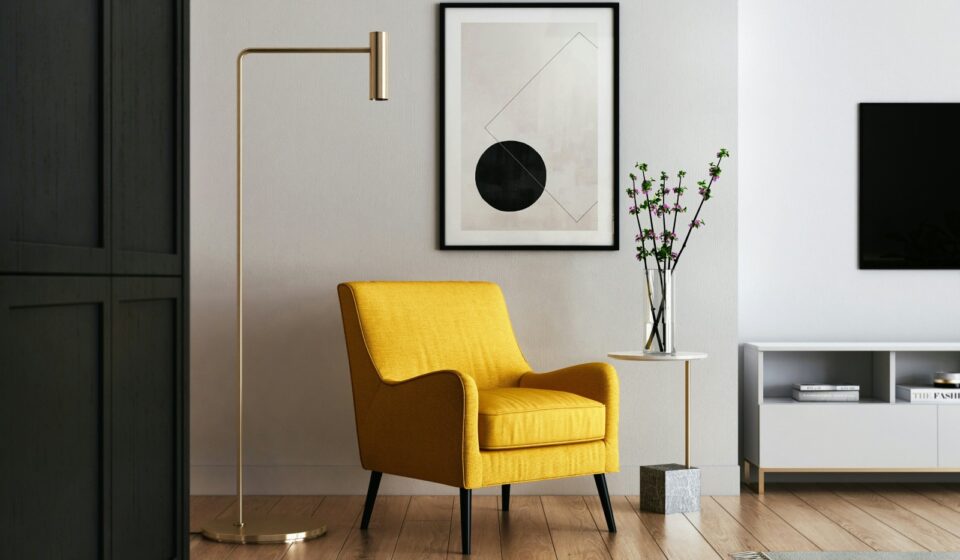
Every room benefits from a focal point, and statement furniture is an excellent way to achieve that. A bold armchair, an artistic coffee table, or a uniquely designed bed can anchor the space and draw attention.
Instead of filling a room with many average pieces, invest in one or two standout items. This approach not only enhances visual appeal but also keeps the room organized and uncluttered. Statement pieces often reflect personal taste, making your home feel more authentic and curated.
Maximize Natural Light
Natural light instantly makes a space feel more open and welcoming. Keeping windows unobstructed and using sheer curtains allows sunlight to flow freely into the room.
Mirrors can also amplify natural light by reflecting it across the space. Placing a mirror opposite a window is a simple yet effective trick used by designers. Additionally, lighter wall colors and glossy surfaces help bounce light around, enhancing brightness without extra energy use.
Introduce Greenery for a Fresh Feel
Indoor plants bring life, color, and a sense of calm to any space. They also improve air quality and contribute to overall well-being.
Choose plants that suit your lifestyle and lighting conditions. For example, low-maintenance options like snake plants or pothos are ideal for beginners. Larger plants can act as natural dividers in open spaces, while smaller ones add charm to shelves and tables. Even a single plant can make a noticeable difference.
Play with Colors Through Accents
While neutral bases are versatile, accents provide personality. Introducing color through cushions, rugs, artwork, or decorative objects allows you to experiment without committing to permanent changes.
Warm tones like terracotta and mustard create a cozy atmosphere, while cooler shades such as blue and green bring a sense of calm. Rotating accents seasonally keeps your interiors fresh and aligned with current trends without requiring a full redesign.
Optimize Storage for a Clutter-Free Space
A well-designed home is both beautiful and functional. Smart storage solutions help maintain order and enhance the overall look of a room.
Built-in shelves, under-bed storage, and multifunctional furniture, such as ottomans with hidden compartments, are practical options. Keeping surfaces clean and organized allows key design elements to stand out. A clutter-free space not only looks better but also feels more relaxing and efficient.
Personalize with Art and Decor
Art and decor items add character and tell your story. Whether it is a gallery wall, framed photographs, or handcrafted pieces, these elements make your home uniquely yours.
When arranging artwork, consider scale and placement. Larger pieces work well as focal points, while smaller items can be grouped for impact. Mixing different styles and media adds depth and interest. Personal touches create emotional connection, turning a house into a home.
Maintain Balance and Proportion
Good interior design relies on balance. This means ensuring that furniture, decor, and space are proportionate to one another.
Avoid overcrowding a room with oversized furniture or leaving it too sparse. Symmetry can create a sense of order, while asymmetry adds a modern, dynamic feel. Paying attention to spacing, alignment, and scale ensures that the room feels harmonious and comfortable.
Conclusion
Interior design is not about following strict rules—it is about creating a space that works for you. By focusing on key elements such as lighting, texture, color, and functionality, you can transform any room into a stylish and comfortable environment. Small, thoughtful changes often have the greatest impact, proving that great design is achievable without major renovations.