
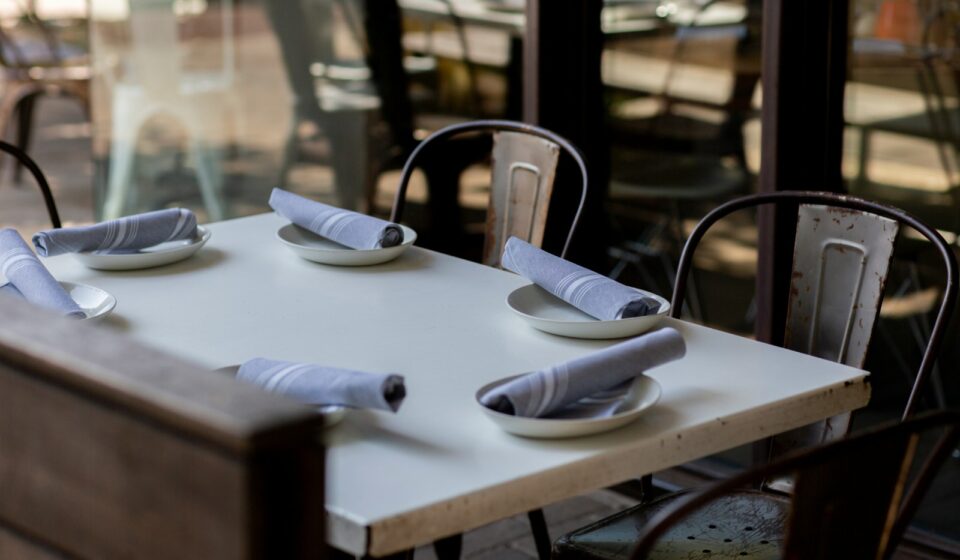

A well-designed kitchen and dining area does far more than serve meals. It shapes daily routines, supports family connections, and creates a welcoming atmosphere for guests. Whether you have a compact apartment or a spacious home, the way you organise and style these areas can completely change how you live and interact.
This list explores practical and stylish ways to elevate your kitchen and dining experience. Each idea focuses on comfort, functionality, and visual appeal, helping you create a space that feels both useful and inviting.
- Open Layouts That Encourage Connection
Modern homes increasingly favor open layouts where cooking and dining blend seamlessly. Removing unnecessary barriers between the kitchen and dining space improves visibility and interaction. This design allows conversations to flow naturally while meals are being prepared, making the area feel more social and inclusive.
Open layouts also maximize natural light, which enhances mood and makes the space appear larger. Even in smaller homes, a semi-open arrangement with minimal partitions can create the same effect without requiring major renovations.
2. Smart Storage That Reduces Clutter
A clutter-free kitchen instantly feels more functional and relaxing. Clever storage solutions such as pull-out cabinets, vertical shelving, and hidden compartments help maintain order without sacrificing style. When everything has its place, daily tasks become quicker and less stressful.
Efficient storage is especially important in smaller kitchens where space is limited. By using wall-mounted racks or multi-purpose furniture, you can keep essentials within reach while maintaining a clean and organized look.
3. Lighting That Sets the Mood
Lighting plays a crucial role in defining the atmosphere of both the kitchen and dining spaces. Bright task lighting is essential for cooking, while softer ambient lighting enhances the dining experience. Combining these layers ensures the space remains functional and comfortable at all times.
Pendant lights above a dining table or island can act as a focal point while adding warmth. Adjustable lighting options allow you to shift the mood from practical to cozy with ease, especially during evening meals or gatherings.
4. Durable and Stylish Surfaces
Choosing the right materials for countertops, flooring, and dining tables ensures longevity and ease of maintenance. Surfaces such as quartz, granite, or treated wood provide durability while maintaining a refined look.
These materials are not only practical but also contribute to the overall aesthetic. A well-chosen surface can tie the entire space together, creating a cohesive and polished environment that stands up to everyday use.
5. Comfortable Seating for Everyday Living
Dining areas should feel inviting enough for long conversations and relaxed meals. Comfortable seating, whether upholstered chairs or cushioned benches, enhances the experience and encourages people to stay longer at the table.
Ergonomics also matters. Chairs with proper back support and the right height relative to the table can make a noticeable difference in comfort. This small detail often has a big impact on how frequently the space is used.
6. Color Schemes That Reflect Personality
The colors you choose influence how the space feels. Neutral tones create a calm and timeless environment, while bold colors add energy and character. The key is balance—using accent colors thoughtfully to avoid overwhelming the space.
For example, pairing soft cabinetry with vibrant accessories or artwork can introduce personality without sacrificing elegance. Consistent color coordination between the kitchen and dining areas helps maintain visual harmony.
7. Multi-Functional Furniture for Flexibility
Furniture that serves more than one purpose is especially valuable in modern homes. Extendable dining tables, foldable chairs, or kitchen islands with seating can adapt to different needs, from everyday meals to hosting guests.
This flexibility allows you to make the most of available space while maintaining a clean and organized layout. It also ensures your home can easily adjust to changing lifestyles and requirements.
8. Natural Elements That Add Warmth
Incorporating natural elements such as plants, wooden finishes, or stone textures can make the space feel more welcoming. These details soften the overall look and create a sense of comfort.
Plants, in particular, improve air quality and bring a refreshing touch to the environment. Even small additions, like herbs on a windowsill, can enhance both the aesthetics and functionality of the kitchen.
9. Technology That Simplifies Daily Tasks
Modern kitchens benefit from smart appliances and integrated technology. From energy-efficient refrigerators to touchless faucets, these features make everyday tasks more convenient and efficient.
Technology also supports sustainability by reducing energy consumption and waste. When thoughtfully integrated, it enhances functionality without disrupting the overall design of the space.
10. Personal Touches That Make It Unique
Finally, adding personal elements transforms a functional area into a meaningful one. Family photos, handmade decor, or unique table settings create a sense of identity and warmth.
These touches reflect your lifestyle and make the space feel truly yours. They also create a welcoming atmosphere for guests, turning ordinary meals into memorable experiences.
In Conclusion
A thoughtfully designed kitchen and dining space can significantly improve daily life. By focusing on layout, comfort, lighting, and personalization, you can create an environment that feels both practical and inviting. Small changes often lead to noticeable improvements, making the space more enjoyable for cooking, dining, and connecting with others.