
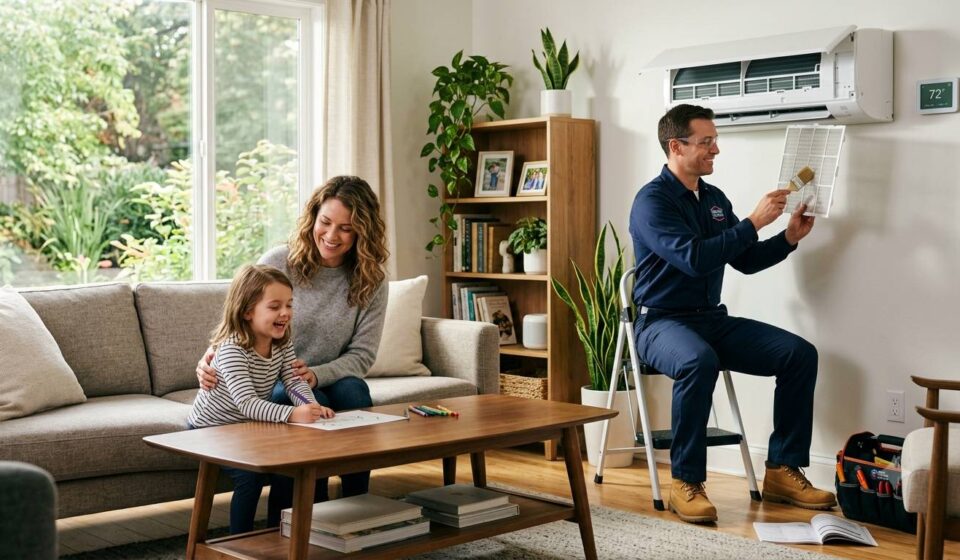

When people think about improving indoor air quality, they often focus on air purifiers, cleaning routines, or opening windows whenever possible. While those habits certainly help, one of the most important factors is often overlooked: the condition of the HVAC system. Because it continuously circulates air throughout a home or workplace, an HVAC system has a direct impact on the air you breathe every day.
Investing in regular maintenance and reliable hvac services for year-round comfort helps keep heating and cooling equipment operating efficiently while supporting healthier indoor air. A well-maintained system can reduce airborne contaminants, improve airflow, and create a more comfortable living environment in every season.
Why Indoor Air Quality Matters
Most people spend the majority of their time indoors, whether at home, in the office, or at school. Poor indoor air quality can contribute to discomfort, unpleasant odors, and the circulation of dust and allergens throughout a building. Even if these issues seem minor at first, they can affect everyday comfort and make indoor spaces feel less inviting.
Clean indoor air supports a fresher environment by reducing the buildup of particles that naturally accumulate over time. While no HVAC system can eliminate every pollutant, proper maintenance significantly improves its ability to filter and circulate cleaner air.
The HVAC System’s Role in Air Quality
An HVAC system does much more than regulate temperature. Every time it runs, it moves air through filters, ductwork, and vents before redistributing it throughout the building. If any part of this system becomes dirty or neglected, contaminants can continue circulating instead of being trapped or removed.
Dust, pet hair, pollen, and other airborne particles gradually collect inside filters and components. As these materials build up, airflow becomes restricted, making the system work harder while reducing its effectiveness.
Routine inspections and maintenance help ensure every component performs as intended, allowing cleaner air to move more efficiently throughout the home.
Air Filters Are the First Line of Defense
One of the simplest yet most important parts of HVAC maintenance is replacing air filters regularly.
Air filters capture many of the particles that would otherwise continue circulating indoors. Over time, however, filters become clogged with dust and debris. A dirty filter not only reduces airflow but also limits its ability to trap additional contaminants.
Depending on the type of filter, household conditions, and whether pets are present, many filters should be checked every one to three months. Replacing them on schedule supports better airflow, improved efficiency, and cleaner indoor air.
Clean Ductwork Supports Better Air Circulation
Air ducts distribute conditioned air throughout every room. Although they remain hidden behind walls and ceilings, they can accumulate dust and debris over time.
When excessive buildup occurs, particles may re-enter the airflow whenever the system operates. While duct cleaning is not always necessary, periodic inspections can determine whether cleaning would improve system performance.
Properly sealed and maintained ducts also reduce air leaks, helping conditioned air reach its intended destination without unnecessary energy loss.
Regular Maintenance Helps Prevent Moisture Problems
Moisture is another important factor affecting indoor air quality. Air conditioning systems naturally remove humidity during cooling cycles, but clogged drain lines or poorly maintained components can create excess moisture where it shouldn’t exist.
Standing water inside HVAC equipment may contribute to mold or mildew growth if left unaddressed. Routine maintenance includes checking drainage systems, inspecting coils, and ensuring condensation is properly managed.
Keeping humidity levels balanced also makes indoor spaces feel more comfortable while reducing conditions that encourage unwanted microbial growth.
Cleaner Components Improve System Performance
Every HVAC system contains several components that require periodic cleaning.
Evaporator coils, condenser coils, blower motors, and fans gradually collect dust during normal operation. When these parts become coated with dirt, the system has to work harder to heat or cool the building effectively.
Cleaning these components improves airflow and efficiency while reducing unnecessary strain on the equipment. A cleaner system also tends to maintain more consistent temperatures throughout the home.
Better Efficiency Can Lower Energy Costs
A neglected HVAC system doesn’t just affect air quality—it can also increase energy consumption.
When airflow becomes restricted or components operate inefficiently, the system requires more energy to achieve the desired indoor temperature. This often results in longer operating cycles and higher utility bills.
Routine maintenance keeps equipment operating more efficiently, allowing it to perform with less effort. Over time, these improvements can contribute to noticeable energy savings while extending the lifespan of the system.
Signs Your HVAC System Needs Attention
Many homeowners don’t realize their HVAC system needs maintenance until performance noticeably declines.
Common signs include:
- Dust accumulating more quickly than usual
- Uneven temperatures between rooms
- Weak airflow from vents
- Musty or unusual odors
- Rising energy bills without increased usage
- Frequent cycling on and off
- Unusual noises during operation
Addressing these warning signs early can prevent more significant issues while helping maintain cleaner indoor air.
Seasonal Maintenance Makes a Difference
Because HVAC systems work year-round, seasonal inspections are a practical way to keep them performing at their best.
Before summer arrives, technicians often inspect cooling components, refrigerant levels, and airflow. Before winter, heating systems receive similar attention to ensure safe and efficient operation.
These routine visits help identify worn parts before they fail, reducing the likelihood of unexpected breakdowns during periods of heavy use.
Simple Habits That Support Cleaner Indoor Air
Professional HVAC maintenance delivers the greatest impact, but homeowners can also improve indoor air quality with a few simple habits.
Vacuuming regularly with a high-quality vacuum helps reduce dust buildup. Keeping vents unobstructed allows air to circulate freely. Maintaining appropriate indoor humidity levels also discourages excessive moisture and improves overall comfort.
Changing filters on schedule and scheduling annual HVAC inspections create a strong foundation for cleaner air throughout the year.
Conclusion
Cleaner indoor air doesn’t happen by accident. It starts with an HVAC system that is properly maintained, regularly inspected, and operating as efficiently as possible. From replacing air filters to cleaning essential components and addressing small issues before they become larger problems, routine maintenance plays a vital role in creating a healthier indoor environment.
By giving your HVAC system the attention it needs, you’ll enjoy improved airflow, greater energy efficiency, more consistent comfort, and cleaner air throughout every season. A proactive approach today can help protect both your home’s comfort and the quality of the air you breathe every day.