
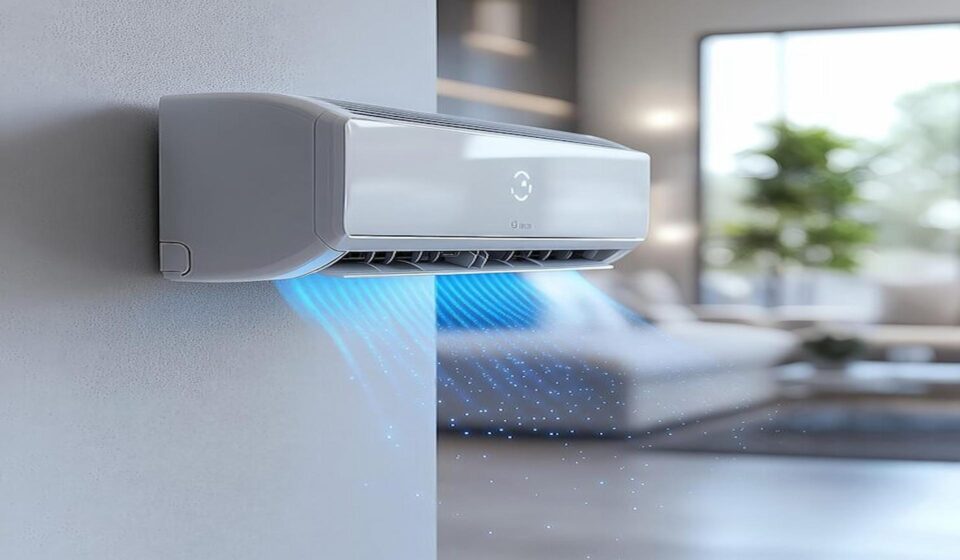

Good air circulation is one of the most overlooked aspects of a comfortable home. While many homeowners focus on heating and cooling equipment, the way air moves through a property has a significant impact on comfort, indoor air quality, and energy efficiency. Poor circulation can leave some rooms feeling stuffy, while others may seem too warm or too cold.
If you notice uneven temperatures or weak airflow in certain areas of your home, it may be worth considering professional duct services in Gresham, OR. A thorough inspection of your ductwork can help uncover hidden issues that affect ventilation and overall HVAC performance. Properly functioning ducts play a vital role in distributing conditioned air evenly throughout every room.
Why Air Circulation Matters
Air circulation refers to how effectively air moves throughout your home. When airflow is balanced, indoor temperatures remain more consistent, humidity levels are easier to manage, and airborne particles are less likely to accumulate in one area.
Poor circulation can contribute to several common household issues, including:
- Hot and cold spots between rooms
- Stale or stuffy indoor air
- Increased dust accumulation
- Higher energy bills
- Excess humidity in certain areas
- Reduced comfort during extreme weather
A home with healthy airflow generally feels fresher, cleaner, and more comfortable year-round.
Common Causes of Poor Airflow
Several factors can interfere with proper air circulation. Some are simple to address, while others may require professional inspection.
One of the most common causes is blocked air vents. Furniture, curtains, and rugs can restrict airflow without homeowners realizing it. When supply or return vents are obstructed, the entire HVAC system may struggle to distribute air efficiently.
Dirty air filters can also reduce airflow. As filters collect dust and debris, they become less effective at allowing air to pass through. This forces the heating and cooling system to work harder while delivering less comfort.
In some cases, aging or damaged ductwork may be responsible. Leaks, disconnected sections, or poor duct design can prevent conditioned air from reaching certain areas of the home.
Signs Your Home Has Air Circulation Problems
Airflow issues often develop gradually, making them easy to overlook. However, several warning signs may indicate a problem.
You may notice that some rooms consistently feel warmer or cooler than others. Certain areas might seem stuffy despite running the air conditioning or heating system regularly.
Other indicators include:
- Excessive dust despite frequent cleaning
- Weak airflow from vents
- Lingering indoor odours
- Rising energy costs
- Increased indoor humidity
- Frequent HVAC cycling
If several of these symptoms are present, it may be worth investigating the source of the airflow imbalance.
How Ductwork Affects Air Distribution
Ductwork acts as the delivery network for heated and cooled air. Even the most efficient HVAC equipment cannot perform properly if the ducts are not functioning as intended.
Leaks in ductwork can allow conditioned air to escape before it reaches living spaces. This wasted air often ends up in attics, crawl spaces, or wall cavities rather than the rooms where it is needed.
Improperly sized ducts can create pressure imbalances throughout the system. Some rooms may receive too much airflow while others receive very little. Over time, these issues can affect both comfort and system efficiency.
Professional inspections can help identify hidden problems within the duct network and determine whether repairs or upgrades are needed.
Practical Ways to Improve Air Circulation
Fortunately, there are several steps homeowners can take to encourage better airflow throughout the home.
Keep Vents Clear: Ensure that furniture, curtains, and decorative items do not block supply or return vents. Even partial obstructions can affect airflow performance.
Replace Air Filters Regularly: Clean filters help maintain unrestricted airflow. Follow manufacturer recommendations for replacement intervals, particularly during periods of heavy HVAC use.
Use Ceiling Fans Effectively: Ceiling fans support natural air movement and help distribute conditioned air more evenly. During warmer months, fans should rotate counter-clockwise to create a cooling effect.
Leave Interior Doors Open: Keeping doors open between rooms allows air to circulate more freely. Closed doors can sometimes create pressure differences that reduce overall airflow.
Schedule HVAC Maintenance: Routine maintenance helps ensure that heating and cooling systems operate efficiently. Technicians can identify developing airflow problems before they become more serious.
The Indoor Air Quality Connection
Good circulation does more than improve comfort. It also plays a role in maintaining healthier indoor air.
When air moves effectively through the home, filtration systems can capture dust, pollen, and other airborne particles more efficiently. Stagnant air, on the other hand, can allow contaminants to accumulate in certain areas.
Balanced airflow may also help regulate humidity levels. Excess moisture can contribute to unpleasant odours and create conditions that encourage mould growth. Proper ventilation supports a cleaner and healthier indoor environment.
For households with allergy sufferers, improving circulation can be particularly beneficial. Better airflow helps reduce the concentration of airborne irritants throughout the living space.
When Professional Help May Be Needed
While basic maintenance can solve some airflow issues, certain problems require professional expertise. Persistent hot and cold spots, unusually high energy bills, or weak airflow from multiple vents may indicate underlying ductwork concerns.
HVAC professionals use specialized equipment to assess airflow, inspect duct systems, and identify leaks or restrictions. They can recommend solutions that improve both comfort and efficiency without unnecessary guesswork.
Addressing airflow issues early can prevent additional strain on heating and cooling equipment, potentially extending the lifespan of the entire system.
Key Takeaways for Better Airflow
Better air circulation is essential for maintaining a comfortable, efficient, and healthy home. From reducing temperature inconsistencies to supporting indoor air quality, proper airflow affects nearly every aspect of daily living.
Simple actions such as replacing air filters, clearing vents, and using ceiling fans can make a noticeable difference. However, when circulation problems persist, it may be necessary to investigate deeper issues within the HVAC system and ductwork.
By paying attention to airflow and addressing problems promptly, homeowners can enjoy more consistent comfort, cleaner indoor air, and improved energy efficiency throughout the year.