

Heating a home has never been cheap, but rising energy costs have pushed many homeowners to rethink how they stay comfortable during colder months. The challenge is no longer simply keeping a home warm. People now want heating systems that work efficiently, reduce waste, and lower monthly utility bills without compromising comfort.
At the same time, modern technology has transformed the way homes manage heat. Smart thermostat systems, advanced heat pump technology, improved insulation, and high-efficiency furnaces are helping households use less energy while maintaining stable indoor temperatures. These upgrades are not only practical for reducing costs, but they also support long-term sustainability and improved home performance.
The good news is that improving heating efficiency does not always require a complete system replacement. Small adjustments and targeted upgrades can often make a noticeable difference in comfort, energy use, and overall heating reliability.
Why Heating Efficiency Matters More Than Ever
Heating systems account for a significant portion of household energy consumption, especially in regions with long winters or fluctuating temperatures. Older systems often consume far more energy than necessary because they struggle to maintain consistent temperatures efficiently.
Poor insulation, outdated thermostats, air leaks, and neglected maintenance can all force heating systems to work harder than they should. This extra strain increases energy usage, raises monthly bills, and shortens equipment lifespan over time.
Energy-efficient heating solutions help solve these problems by improving how heat is produced, distributed, and retained throughout the home. The result is a more comfortable indoor environment with lower operating costs.
Homeowners are also becoming more environmentally conscious. Reducing energy waste helps lower carbon emissions while supporting more sustainable living practices. Efficient heating upgrades, therefore, provide both financial and environmental benefits.
Heat Pump Systems Are Changing Modern Home Heating
Heat pumps have become one of the most talked-about heating solutions in recent years because they deliver impressive efficiency compared to traditional systems.
Unlike conventional furnaces that generate heat by burning fuel, heat pumps transfer heat from outside air or the ground into the home. This process uses significantly less energy while still providing reliable warmth.
Air-Source Heat Pumps
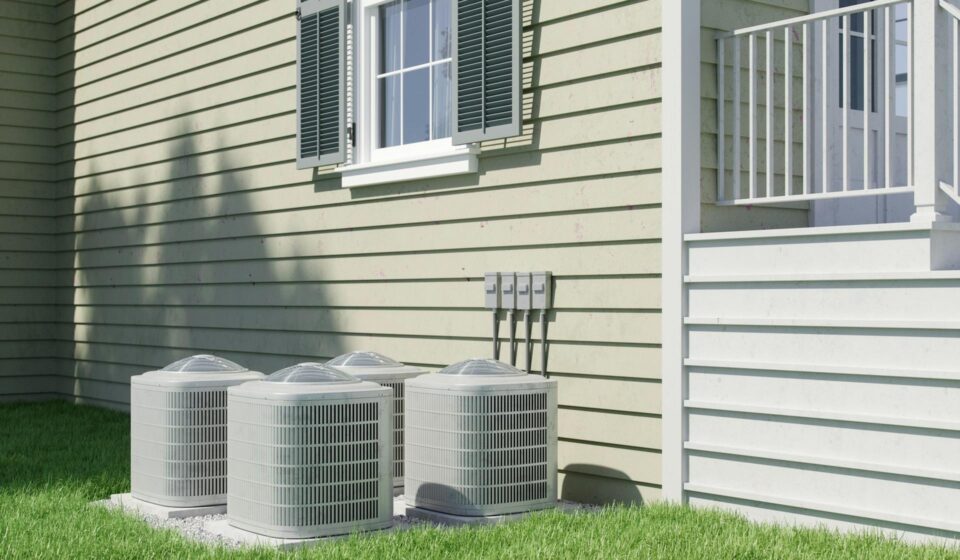
Air-source heat pumps are among the most common options for residential properties. Modern models perform well even in colder climates and can also provide cooling during warmer months.
This dual-purpose functionality makes them attractive for homeowners looking to simplify climate control while improving energy efficiency.
Benefits include:
- Lower energy consumption
- Reduced utility costs
- Year-round heating and cooling
- Improved indoor comfort
- Lower environmental impact
Ground-Source Heat Pumps
Ground-source systems, also known as geothermal heat pumps, use stable underground temperatures to heat and cool homes efficiently.
Although installation costs are higher, these systems often deliver exceptional long-term savings and extremely reliable performance.
Many homeowners consider geothermal systems a long-term investment because they can significantly reduce heating expenses over time.
Smart Thermostat Systems Improve Temperature Control
Heating efficiency is not only about the equipment itself. How a system is controlled also plays a major role in overall energy consumption.
Smart thermostat systems allow homeowners to automate heating schedules based on occupancy, daily routines, and temperature preferences. Instead of heating an empty house all day, these systems adjust temperatures intelligently to reduce unnecessary energy use.
Some smart thermostats can even learn user behavior and automatically optimize settings over time.
Key Benefits of Smart Thermostats
- Better temperature consistency
- Reduced energy waste
- Remote access through mobile apps
- Automated scheduling
- Usage tracking and energy reports
For example, lowering the temperature slightly while sleeping or away from home can lead to noticeable annual savings without affecting overall comfort.
Many utility companies and government energy programs also offer rebates for installing energy-efficient smart controls, making upgrades more affordable.
Furnace Optimization Can Improve Existing Systems
Not every homeowner is ready to replace a heating system immediately. Fortunately, optimizing an existing furnace can still significantly improve efficiency.
Older furnaces often lose efficiency because of neglected maintenance or outdated components. Even small improvements can help systems perform better and consume less energy.
Important Furnace Optimization Steps
Replace Air Filters Regularly
Dirty filters restrict airflow and force heating systems to work harder. Replacing filters regularly improves airflow, system performance, and indoor air quality.
Schedule Professional Maintenance
Annual inspections help identify worn components, airflow problems, and efficiency issues before they become expensive repairs.
Technicians can also clean burners, inspect heat exchangers, and ensure the system operates safely.
Seal Ductwork Leaks
Leaky ducts waste heated air before it reaches living spaces. Properly sealed ductwork improves airflow efficiency and helps maintain consistent indoor temperatures.
Upgrade Older Components
New blower motors, ignition systems, or variable-speed technology can improve furnace efficiency without requiring a full replacement.
Conclusion
Energy-efficient heating solutions are no longer considered luxury upgrades. They have become practical investments for homeowners looking to reduce costs, improve comfort, and create more sustainable living environments.
From heat pump systems and smart thermostat systems to improved insulation and furnace optimization, modern heating technology offers numerous ways to lower energy consumption without sacrificing warmth or convenience.
The most effective approach often involves combining smart technology, proper maintenance, and strategic home improvements. Even small changes can make a meaningful difference over time.