
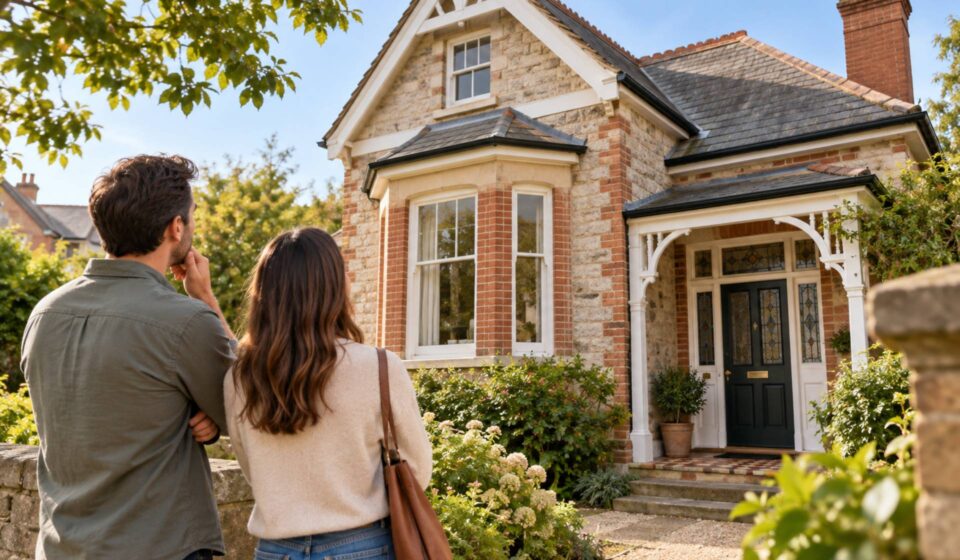

Older houses often offer features that newer properties cannot easily reproduce. Original floors, decorative details, mature gardens, established streets, and traditional construction can make them appealing. However, age can also bring uncertainty. Roofs, wiring, plumbing, heating systems, windows, and drainage may be approaching the end of their useful life, while earlier repairs may be outdated.
The goal is not to diagnose problems yourself. Instead, learn which signs deserve attention, what questions to ask, and when a qualified specialist should inspect the property.
Start With the Structure and Foundation
Minor cracks are common in older homes, but some patterns deserve closer attention. Look for wide or diagonal cracks, noticeably uneven floors, bowed walls, sticking doors, or signs that parts of the building may have moved.
Check accessible foundation areas for water entry, crumbling materials, large repairs, or repeated patching. None of these signs automatically means serious structural damage, but unusual movement should be assessed by a structural engineer or another appropriate professional.
Assess the Roof Carefully
A roof can become one of the largest ownership costs in an older house. From ground level, look for missing or slipped tiles, sagging sections, damaged flashing, worn coverings, blocked gutters, or vegetation growth.
Inside the loft, check for water staining, damp insulation, damaged timber, daylight through the roof, or evidence of previous leaks. Ask about the roof’s approximate age, repair history, and whether any work is covered by a warranty.
Check Moisture, Drainage, and Ventilation
Water problems can cause expensive damage when left unresolved. Poor drainage, leaking gutters, damaged downpipes, plumbing leaks, roof defects, or weak ventilation may all contribute to dampness.
Look for musty smells, peeling paint, mould, discoloured walls, stained ceilings, or damaged skirting boards. Outside, notice whether paving or ground levels direct rainwater toward the house.
Do not assume every damp patch has the same cause. Moisture problems need the correct diagnosis before treatment, particularly in traditional buildings.
Review Plumbing and Electrical Systems
Older plumbing systems may have been repaired or altered repeatedly. Ask about pipe materials, water pressure, drainage performance, boiler age, and previous leaks. Check visible pipes and areas under sinks for corrosion, staining, or dripping.
Electrical systems also require care. An older property may have dated wiring, too few sockets, an old consumer unit, or several generations of upgrades. Buyers should not attempt to judge electrical safety themselves. If the system appears old or records are unclear, consider an inspection by a qualified electrician.
Inspect Windows, Insulation, and Energy Efficiency
Original windows can add charm, but they may also allow drafts and heat loss. Check whether frames open properly and look for damaged seals, condensation between panes, decayed timber, or cracked glazing.
Also consider loft insulation, heating efficiency, ventilation, glazing, and draught control. Improving energy performance may reduce running costs, but upgrades should suit the building. Some traditional homes perform better when breathable materials and suitable ventilation are preserved.
Investigate Previous Renovations
Extensions, loft conversions, removed walls, new kitchens, and modern bathrooms may improve a property, but poor workmanship can create future problems. Ask for planning records, approvals, warranties, certificates, and contractor invoices where available.
Structural alterations deserve particular attention. If a wall has been removed, for example, suitable support may have been required. Missing records or questionable work may justify specialist advice before purchase.
Separate Cosmetic Wear From Costly Problems
Not every defect should cause alarm. Old carpets, dated decoration, worn kitchen units, and scratched floors may be relatively simple to improve.
Potentially more expensive concerns include:
- Major roof repairs
- Structural movement
- Widespread moisture damage
- Electrical rewiring
- Failing plumbing or drainage
- Outdated heating equipment
- Extensive window repairs
The important question is not whether the house is perfect, but whether its condition fits your budget and tolerance for renovation.
Build a Realistic Renovation Budget
Purchase price alone does not show the true cost of an older home. Divide expected spending into urgent repairs, near-term maintenance, and optional improvements. Include a contingency because hidden problems may only become visible once work begins.
For example, a buyer may expect to spend mainly on decoration, then discover that the boiler, roof, and electrical system also need attention. A lower purchase price can quickly lose its advantage when several large projects arrive together.
Use Specialist Inspections When Needed
A general inspection or survey can provide a useful overview, but some concerns require deeper expertise. Depending on the property, specialists may be needed for roofing, structural movement, drainage, electrical systems, plumbing, timber decay, moisture, or heating equipment.
These inspections cost more upfront but can provide clearer information before purchase.
Conclusion
Buying an older house can be rewarding when character and condition are assessed together. Examine the structure, roof, moisture, drainage, services, windows, insulation, and previous alterations, while treating visible warning signs as reasons for investigation rather than conclusions.
Most importantly, judge the property by its likely long-term ownership cost, not only its asking price. A well-maintained older home can offer lasting value, while a neglected one may require significant investment. Careful inspections, realistic budgeting, and specialist advice can help you decide whether the home’s charm comes with a renovation risk you are comfortable accepting.