
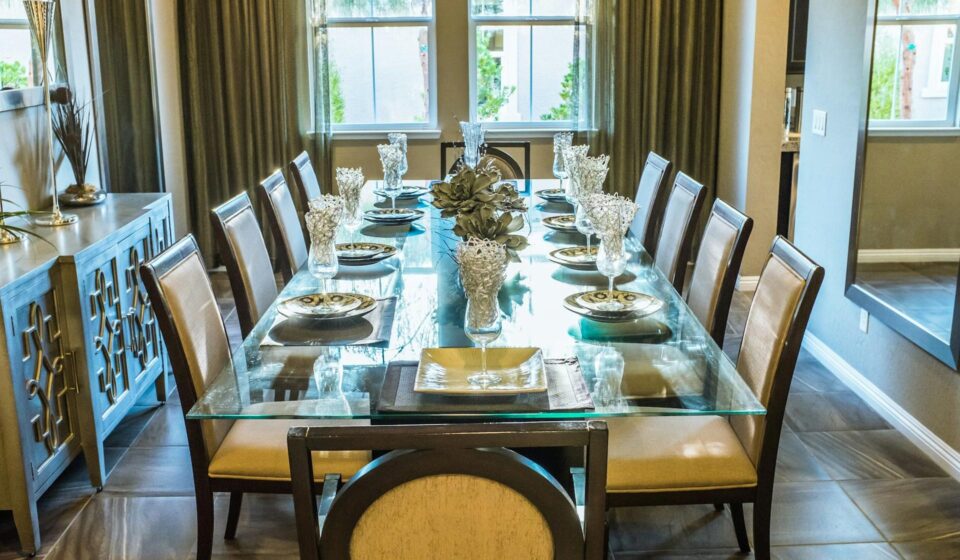

The right dining furniture does more than fill a space—it shapes how people gather, eat, and connect. Balancing style with comfort is essential for creating a welcoming dining area. From choosing the right table size to selecting supportive seating, thoughtful decisions can transform everyday meals into a more enjoyable and functional experience.
A dining space is more than just a place to eat; it often becomes the center of everyday life, where conversations unfold, guests gather, and routines take shape. The furniture you choose plays a major role in defining how that space feels and functions. A well-considered dining setup can enhance both the visual appeal of your home and the comfort of those using it.
Selecting the right dining furniture involves balancing aesthetics with practicality. While style may draw attention initially, comfort and usability determine whether the space truly works for daily living. Understanding how different elements come together will help you create a dining area that is both inviting and functional.
Understanding Your Space and Layout
Before choosing any furniture, it is important to assess the size and layout of your dining area. The dimensions of the room will influence the type of table, number of chairs, and overall arrangement.
In smaller spaces, compact tables or extendable designs can offer flexibility without overwhelming the room. For larger dining areas, a statement table paired with well-proportioned seating can create a sense of balance and cohesion.
Clear movement around the table is equally important. Ensure there is enough space for chairs to be pulled out comfortably and for people to move freely. This practical consideration often makes a significant difference in everyday use.
Selecting the Right Dining Table
The dining table is the focal point of the space, so its design and material should align with both your style preferences and lifestyle needs.
Wooden tables remain a popular choice due to their durability and timeless appeal. They work well in both traditional and modern interiors, depending on the finish. Glass tables, on the other hand, create a lighter visual effect and are ideal for smaller rooms where openness is key.
Shape also plays a role in functionality. Rectangular tables suit longer rooms and larger families, while round or oval tables encourage conversation and work well in compact settings.
Comfort Comes First: Choosing Dining Chairs
While the table often takes center stage, chairs are where comfort truly matters. Poor seating can quickly reduce the enjoyment of any dining experience, regardless of how stylish the setup may be.
When selecting chairs, consider factors such as seat height, back support, and cushioning. Upholstered chairs offer added comfort and a softer look, while wooden or metal designs provide a more structured feel.
It is also worth testing how chairs fit with the table height. The proportions should allow for comfortable seating without feeling cramped or too distant from the surface.
Materials and Finishes That Last
Dining furniture is used daily, so choosing materials that can withstand regular wear is essential. Durability should be considered alongside visual appeal.
Solid wood, metal frames, and high-quality composites tend to offer better longevity. For households with children or frequent guests, finishes that resist scratches and stains can help maintain the furniture’s appearance over time.
Consistency in materials and finishes also contributes to a cohesive look. Matching or complementing textures across the table and chairs can bring the entire space together.
Key Factors to Consider Before Buying
To make a well-informed decision, it helps to focus on a few essential considerations:
- Size and proportion: Ensure the furniture fits comfortably within the room without overcrowding
- Functionality: Consider how often the space is used and for what purpose
- Comfort level: Prioritize seating that supports longer periods of use
- Material durability: Choose finishes that can handle daily wear
- Style compatibility: Align the furniture with the overall interior design of your home
- Maintenance requirements: Opt for materials that are easy to clean and maintain
Taking the time to evaluate these factors can prevent costly mistakes and ensure your dining area remains practical and enjoyable.
Balancing Style with Practical Needs
It can be tempting to prioritize appearance when choosing dining furniture, especially when aiming to create a visually striking space. However, style should never come at the expense of usability.
A minimalist table may look appealing, but if it lacks durability, it may not serve well in a busy household. Similarly, elegant chairs without proper support can become uncomfortable over time.
The most successful dining spaces strike a balance between design and function. By combining attractive materials with thoughtful construction, you can achieve a look that feels both refined and liveable.
Creating a Cohesive Dining Environment
Dining furniture does not exist in isolation. It interacts with lighting, flooring, wall colors, and surrounding décor. Considering these elements together helps create a more unified space.
For example, a wooden table can be complemented by warm lighting to enhance its natural texture. Neutral-toned chairs can blend seamlessly into a variety of interiors, while bold designs can introduce contrast.
Accessories such as rugs, pendant lights, and centerpieces can further define the dining area, making it feel complete without overwhelming the space.
FAQs
How do I choose the right size dining table for my space?
Selecting the right dining table size starts with measuring your room and allowing enough space for movement. Ideally, leave at least 90 cm of space around the table for chairs and walking. Consider how many people you regularly host and whether you need extendable options for flexibility during gatherings.
What materials are best for durable dining furniture?
Durable dining furniture often uses materials like solid wood, metal, or high-quality engineered wood. Solid wood offers longevity and timeless appeal, while metal adds strength and a modern style. Glass can work well in smaller spaces but requires more maintenance. Choose materials based on your lifestyle and frequency of use.
How can I balance style and comfort in dining chairs?
Balancing style and comfort involves choosing chairs that look good but also provide proper support. Look for ergonomic designs, cushioned seats, and supportive backs. Test seating height and depth to ensure comfort during long meals. Upholstered chairs add comfort, while wooden ones offer a sleek, minimal aesthetic.
Should dining furniture match the rest of the home decor?
Dining furniture does not have to match perfectly, but it should complement the overall style of your home. Consistent color palettes, materials, or design elements help create harmony. Mixing styles can work well if done thoughtfully, adding character without making the space feel disjointed or visually overwhelming.
What is the ideal dining table shape for different spaces?
The ideal table shape depends on your room layout. Rectangular tables suit longer rooms, while round tables work well in smaller or square spaces by improving flow. Oval tables offer flexibility, and square tables fit compact areas. Choose a shape that enhances movement and comfortably accommodates your seating needs.
Conclusion
Choosing the right dining furniture requires a thoughtful approach that goes beyond surface-level appeal. By focusing on space, comfort, materials, and overall harmony, you can create a dining area that supports both everyday living and special occasions.
A well-designed dining space does not need to be overly elaborate. Instead, it should feel comfortable, practical, and visually balanced, an environment where people naturally gather and feel at ease.